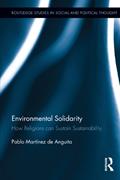
In a world swirling with environmental chaos and masked in red-taped bureaucracy, Environmental Solidarity: How Religions Can Sustain Sustainability emerges as a provocative beacon, nudging us to rethink our relationship with both the planet and each other. Written by the insightful Pablo Martínez de Anguita, this work is not merely an academic exploration; it's a clarion call for a deep-seated solidarity that transcends bounds, tapping into the very essence of faith as a catalyst for sustainability.
De Anguita peels back the layers of religious doctrine and ecological necessity, revealing how the core tenets of various faiths resonate deeply with the urgent call for ecological preservation. You might find yourself entranced by the unexpected alliances he proposes-where spirituality meets environmentalism, forming a sturdy bridge to a more sustainable future. 🌍 It's as if he's offering a fresh perspective to an age-old narrative, one where the divine becomes a vital stakeholder in the planet's survival.
Delve into the heart of this text, and you'll discover that it's not simply a dry theory but a vibrant tapestry woven with anecdotes and reflections from diverse religious traditions. The words leap from the page, urging you to consider how ancient beliefs can fuel contemporary sustainability efforts. The concept of environmental solidarity is not an isolated idea; it's a harmonious blend of ethics, community, and responsibility that resonates especially in today's fractured world.
Check raw readers' comments Critics have varied perspectives on Anguita's work. Some laud his innovative approach, stressing that the book offers a much-needed framework for uniting fractured societal spheres through the lens of shared values. Others, however, contend that it's overly optimistic to expect religions-often mired in dogma-to spearhead such tangible changes in environmental policy and practice. The fractures in opinion reflect the very reality of the contemporary discourse on spirituality and ecology, further igniting the flames of debate that Environmental Solidarity seeks to explore.
Moreover, the author's unique background and cultural insights play a vital role in shaping this discourse. His experiences and education are infused within every chapter, lending authenticity and urgency to his message. Anguita doesn't shy away from the darker realities of our time-climate change, ecological degradation, and the spiritual malaise that many face. Instead, he embraces them, arguing that acknowledging our shared vulnerabilities is the first step towards meaningful action.
As you read, prepare for a whirlwind of emotions-a blend of hope and urgency, joy and despair. Anguita's words resonate like the vibrant notes of a symphony, calling for collective action amidst crisis. At its peak, the text becomes an almost fervent prayer for change, audibly pleading for solidarity at a time when division seems easier.
Check raw readers' comments In a landscape rife with ecological challenges and the echoes of ancient prophecies, this book not only offers a framework for thought but ignites a palpable thirst for responsibility. It beckons you to mold a vision where faith and environmental action intertwine, challenging you to step outside your comfort zone and engage with the pressing issues of our time.
Let Environmental Solidarity seep into your consciousness and ignite a fire within. As you turn its pages, you won't just read; you'll feel-and in that feeling lies the transformative power to create change. This isn't just a book; it's an experience waiting to happen, urging you to dance, or perhaps even wrestle, with the concept of shared environmental stewardship that builds bridges where there were once walls. 🌿
📖 Environmental Solidarity: How Religions Can Sustain Sustainability (Routledge Studies in Social and Political Thought)
✍ by Pablo Martínez de Anguita
2012
Check raw readers' comments #environmental #solidarity #religions #sustain #sustainability #routledge #studies #social #political #thought #pablo #martinez #anguita #PabloMartinezdeAnguita